
As long as I’ve had lawns I’ve resented them. I love having a little plot of land, but the modern suburban yard – water hungry, weed prone grass with no privacy and often rendered unusable because of misguided bylaws – is wasted a opportunity that offends my pragmatic tendencies.
Apparently I’ve been ahead of my time. Urban agriculture is now in vogue; front lawn vegetables, urban chickens and beekeeping all are being practiced in my hometown now.
That’s where my blog starts.
Five years ago I moved into a beautiful mature neighbourhood. As I have in past homes, I instantly began planning to make my yard productive.
My hubby started us off by building raised beds for vegetables. This year we have a bumper crop of tomatoes and jalapenos. Lettuce does well, arugula thrives. Peas and beans still fall victim to rabbits and deer that wander out of the ravine.

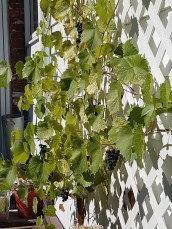 Our four year old grape vine produced well this year after I gave it a good pruning last fall.
Two years ago we planted an evans cherry, and last year we planted a pear tree. Both flowered but neither fruited well this year. I’m building two bee hotels for the yard so hopefully next year blossoms lead to fruit.
My french tarragon, sage, thyme and oregano all came back this spring, making me very happy.
That’s the part of the plan I can check off. I have plenty more to work on.
This summer I began the next urban agriculture stage – hedge replacement. I love the privacy the hedge gives our yard, but a cotoneaster hedge is a wasted opportunity. I am slowly removing and replacing it with berry bushes.
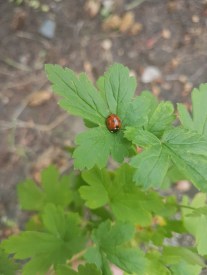
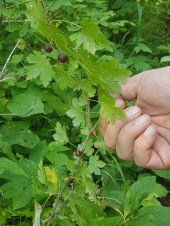
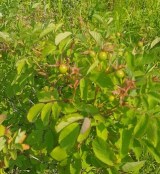
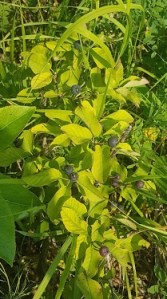
So far I’ve removed about six metres of hedge, and planted three saskatoons and two gooseberries. I expect in two to three years they’ll give us the same level of privacy as the hedge, with bonus yummy berries.
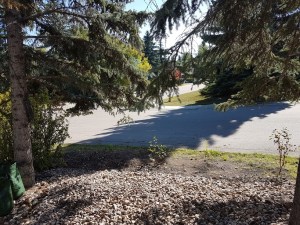
I’ve earmarked two shrubs to replace with beaked hazelnuts in the spring. Getting hazelnuts will be a long shot given the squirrels activity in our yard, but I’ll try.
We took out two diseased maydays this year. When we get the stumps pulled out I’ll plant an apple tree there. We’re one of the few houses in the neighborhood without an apple tree and I suffer from apple envy.
I know I’ll come up with more ideas for my ever expanding suburban agriculture experiment next year. A proper garden is forever a work in progress.
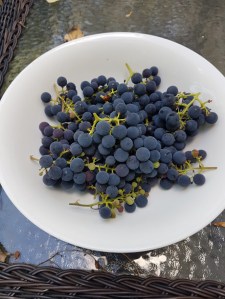
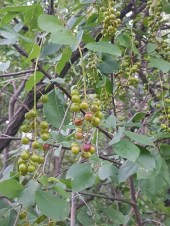
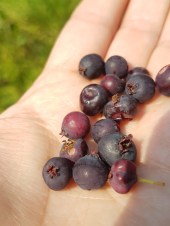

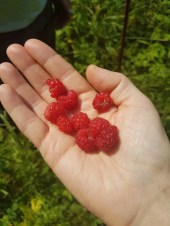
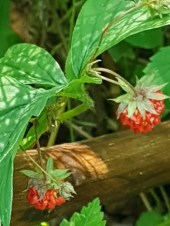
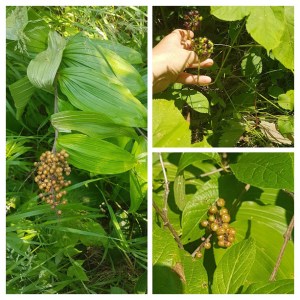
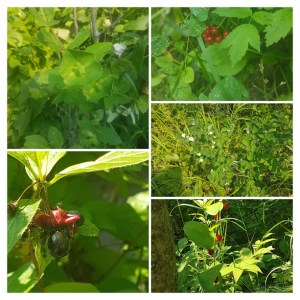
 wonderful kitchen garden.
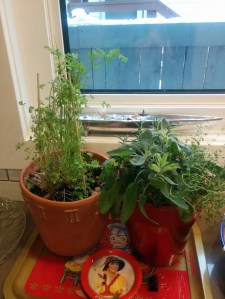 watch. Part of the new kitchen plan was that to create this sunny spot that would, hopefully, be able to support a few potted herbs and cheery flowers.
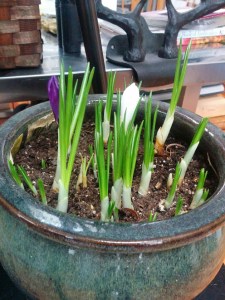 but shortly before Christmas I managed to pick up a ‘turkey’ herb mix and some bulbs at Home Depot. The herbs and some tulips are sitting in my kitchen window now, and I have some some crocuses are in my office.
 I’ve already used snips of rosemary for some roasted grapes and some fresh parsley in chicken soup. Hopefully I will find further uses for some of the four herbs I have.
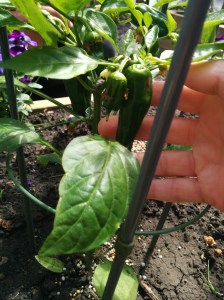 Two years ago I planted four jalapeño pepper plants on a whim. The plants thrived and I got a small bounty of peppers. Obviously when the frost came I had to do something with them, so I pickled my first three jars of jalapeños.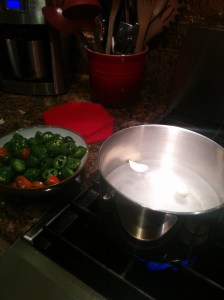
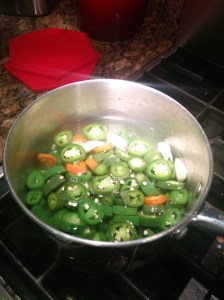 I ladle the peppers into jars, and cover them with the remaining liquid.
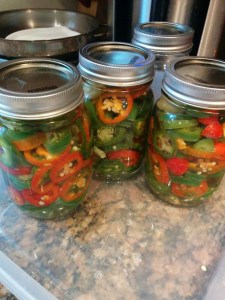 These were a particular favourite of my middle son. He likes that they are crispier that store bought. I like them because they are more garlicky. The boys all put them on pizzas/calzones, sandwiches, paninis, and my husband puts them on his meat, cheese and pickle snack plates.
 Make me eat my words.